Japanese Cruising

There are so many people for whom a trip to Japan sits right at the top of their travel list. And having travelled to Japan numerous times over the last forty years, I can say that desire is very well justified.
I first visited Japan in 1983—which officially makes me old. I had just left university with a one‑way ticket to London. I made it as far as Hong Kong, where I met a very handsome and persuasive Frenchman who announced he was heading to Tokyo to find a job. And what does any naïve 20‑year‑old Australian do? Follow him to Tokyo, of course.
Naturally, the relationship lasted all of five minutes, and I soon found myself alone in Tokyo looking for work. I found a place to stay in a shared house in Setagaya‑Ōhara, not far from Shinjuku, and within a day I’d landed a job teaching English to businessmen at an evening school around the corner. The Dutch girl I shared a room with worked as a hostess in the bar next door. We spent a lovely few months exploring Tokyo and beyond, and—as travellers tend to do—we eventually went our separate ways. I headed back to Hong Kong for another job, and then on to Africa, where I met my husband just a few months later.
A lot has changed in Japan since that first visit forty years ago. It was awe‑inspiring then, and it still is today—that part has never changed. I’ve returned many times since, sometimes with three children in tow, and more recently as a presenter on cruise ships. I’ve travelled by road and by rail, I’ve walked, I’ve driven, and every time I come back to Japan, I discover something new.
So it’s wonderful to hear that you’re considering a trip to Japan. Here’s a little information to help get you started.
I’m going to begin with a bit of background about Japan—the kind of introduction I give when guests are onboard the cruise ships. Then I’ll briefly run through each of the most common cruise ports and share some helpful background about them. This won’t replace your own planning, of course. If you’re reading this, I’m assuming you’re already the sort of traveller who enjoys doing your own research. And let’s be honest: these days, if you’re going to travel well, you need to be able to do that.
Along the way, I’ll also share some general travel tips to help you plan the best possible cruise through Japan.
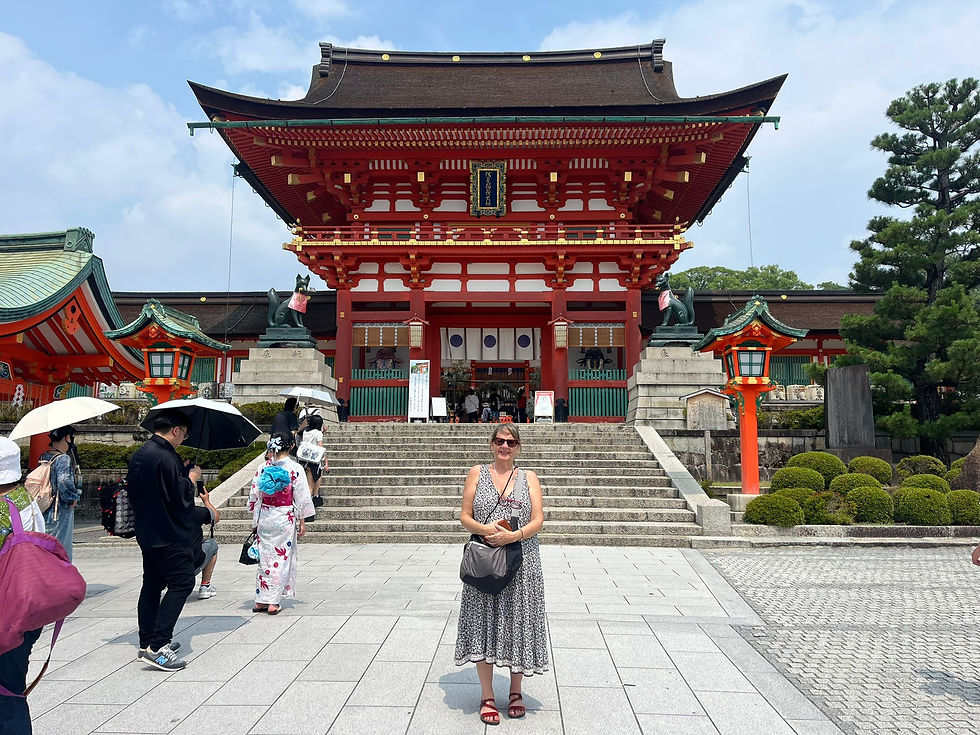
🇯🇵 A Little Background to Japan
Japan is a country where ancient tradition and cutting‑edge modernity sit side by side, often in the same street. It’s a nation shaped by geography, history, and a deep cultural commitment to harmony, respect, and precision — qualities that travellers feel the moment they arrive.
🗾 Geography and First Impressions

Japan is made up of four main islands — Honshu, Hokkaido, Kyushu, and Shikoku — along with thousands of smaller ones. The landscape is dramatic: mountains, forests, hot springs, and coastlines that seem to change character every few kilometres. More than 70% of the country is mountainous, which means cities are dense, efficient, and beautifully organised.
For travellers, this geography creates a wonderful contrast: neon skylines one day, quiet temples and steaming onsens the next.
🏯 A Brief Historical Snapshot
Japan’s history stretches back thousands of years, but a few key eras help shape what visitors see today:
The Edo Period (1603–1868) — A time of peace, isolation, and strict social order. Many of the traditions we associate with Japan — tea ceremony, kabuki, woodblock prints — flourished here. Cities like Kanazawa and Kyoto still carry this atmosphere.
The Meiji Restoration (1868–1912) — Japan opened to the world, modernised rapidly, and blended Western ideas with Japanese identity.
Post‑war Japan — A period of extraordinary rebuilding and innovation, leading to the Japan we know today: technologically advanced, culturally rich, and globally influential.
Understanding these eras helps travellers appreciate why Japan feels both ancient and futuristic at the same time.

🌸 Traveller Tips for Japan
Top Practical Tips
Google Maps works brilliantly for trains and walking.
Learn a few simple phrases — even “arigatou” goes a long way.
Public behaviour is quiet — keep voices low on transport.
Always carry your rubbish — bins are rare.
Expect incredible food — even convenience stores are impressive.
Cash is still useful, especially in rural areas.
These small things make a big difference to how smoothly your days unfold.
🧭 Culture and Everyday Etiquette
Japan is one of the easiest countries to travel in — but also one of the most structured. A few cultural principles shape daily life:
Respect — Bowing, quiet voices, orderly queues.
Cleanliness — You’ll notice spotless streets and public spaces. Japan is spotless, but public bins are rare. Carry a small bag for your rubbish. Hand sanitiser and tissues are useful — many bathrooms have no paper towels.
Efficiency — Trains run on time, systems work, and people take pride in doing things properly.
Harmony (wa) — The idea that the group matters as much as the individual. Quiet voices on public transport — this is one of the biggest cultural differences.
No eating on local trains (Shinkansen is fine).
Queueing is sacred — follow the lines on the platform.
Shoes off in traditional restaurants, temples, and some homes.
Travellers who understand these values find Japan even more rewarding.
🌸 Seasons and Timing
Japan changes dramatically with the seasons:
Spring — Cherry blossoms, mild weather, huge crowds.
Summer — Festivals, fireworks, humidity, and lush landscapes.
Autumn — Brilliant red and gold leaves, comfortable temperatures.
Winter — Snowy mountains, hot springs, and crisp clear days.
Each season offers something different, and your experience can vary widely depending on when you visit.
🧭 Navigation & Getting Around
Google Maps is your best friend — it works beautifully for trains, buses, and walking.
Trains run on time — if a train is due at 10:03, it leaves at 10:03.
Stations can be large — allow extra time for transfers in Tokyo, Osaka, and Kyoto.
Taxis are safe and reliable — but expensive. Doors open automatically; don’t touch them.
Japan’s transport system is one of the best in the world. Whether you’re on a bullet train, a local bus, or a ferry between islands, you’ll find it punctual, clean, safe and easy to navigate For cruise travellers, this means you can confidently explore ports independently if you wish — something many guests love once they realise how simple it is.
💴 Money & Payments
Japan is modern, but cash is still useful, especially in rural areas.
ATMs that accept foreign cards are found in 7‑Eleven, FamilyMart, and post offices.
Most vending machines take IC cards (Suica, Pasmo), which you can buy at stations.
🍜 Food & Eating
Convenience stores (konbini) are shockingly good — fresh, cheap, reliable.
Try regional specialties in each port — Japan’s food culture is deeply local.
Don’t tip — it’s not expected and can cause confusion.
📶 Connectivity
Free Wi‑Fi is common but inconsistent.
A portable Wi‑Fi device or eSIM makes life easier.
🧳 Packing
Comfortable walking shoes are essential — you’ll walk more than you expect.
Layers are key — weather changes quickly, especially in spring and autumn.
Bring a small umbrella — Japan sells beautiful ones if you forget/
🚢 How to Plan a Japan Cruise
---

1. Choose the Right Season
Spring (Mar–Apr) — cherry blossoms, crowds, mild weather.
Summer (Jun–Aug) — festivals, humidity, lush landscapes.
Autumn (Oct–Nov) — red leaves, comfortable temperatures.
Winter (Dec–Feb) — snow, hot springs, crisp clear days.
2. Understand Port Distances
Some ports are right in town (Nagasaki, Hakodate).
Others require travel (Kobe → Kyoto, Yokohama → Tokyo).
This affects how much you can realistically see.
3. Decide: Ship Tour or Independent?
Ship tours are best for:
long distances (Kyoto, Mt Fuji)
mobility concerns
peace of mind
Independent travel is ideal for:
confident travellers
short distances
ports with easy transport (Nagasaki, Aomori, Hakodate)
4. Prioritise Experiences
Japan is rich and layered — you can’t see everything.
Choose one theme per port:
history
food
nature
temples
shopping
scenic viewpoints
5. Build in Rest
Japan is stimulating.
Plan one “gentle” day every few ports — a garden, a market, a slow wander.
6. Learn a Few Phrases
Even simple Japanese is appreciated:
Arigatou — thank you
Sumimasen — excuse me / sorry
Konnichiwa — hello
Eki wa doko desu ka? — where is the station?
7. Expect the Unexpected
Japan rewards curiosity — the best moments often happen when you wander down a side street, try a snack you can’t identify, or follow the sound of a festival drum.

🇯🇵 Cruise Ports of Japan
Japan has dozens of ports, but only a core group appear regularly on cruise itineraries. These are the ports where ships dock most often, where infrastructure is strong, and where travellers can easily explore independently or on organised tours.
---
🏙️ Yokohama (Tokyo)
The gateway to Japan’s capital
Most international cruises begin or end in Yokohama, even though the destination is Tokyo. The port is modern, efficient, and well‑connected.
What to expect
Clean, organised terminal
Easy access to trains
45–60 minutes into central Tokyo
Highlights
Shibuya Crossing
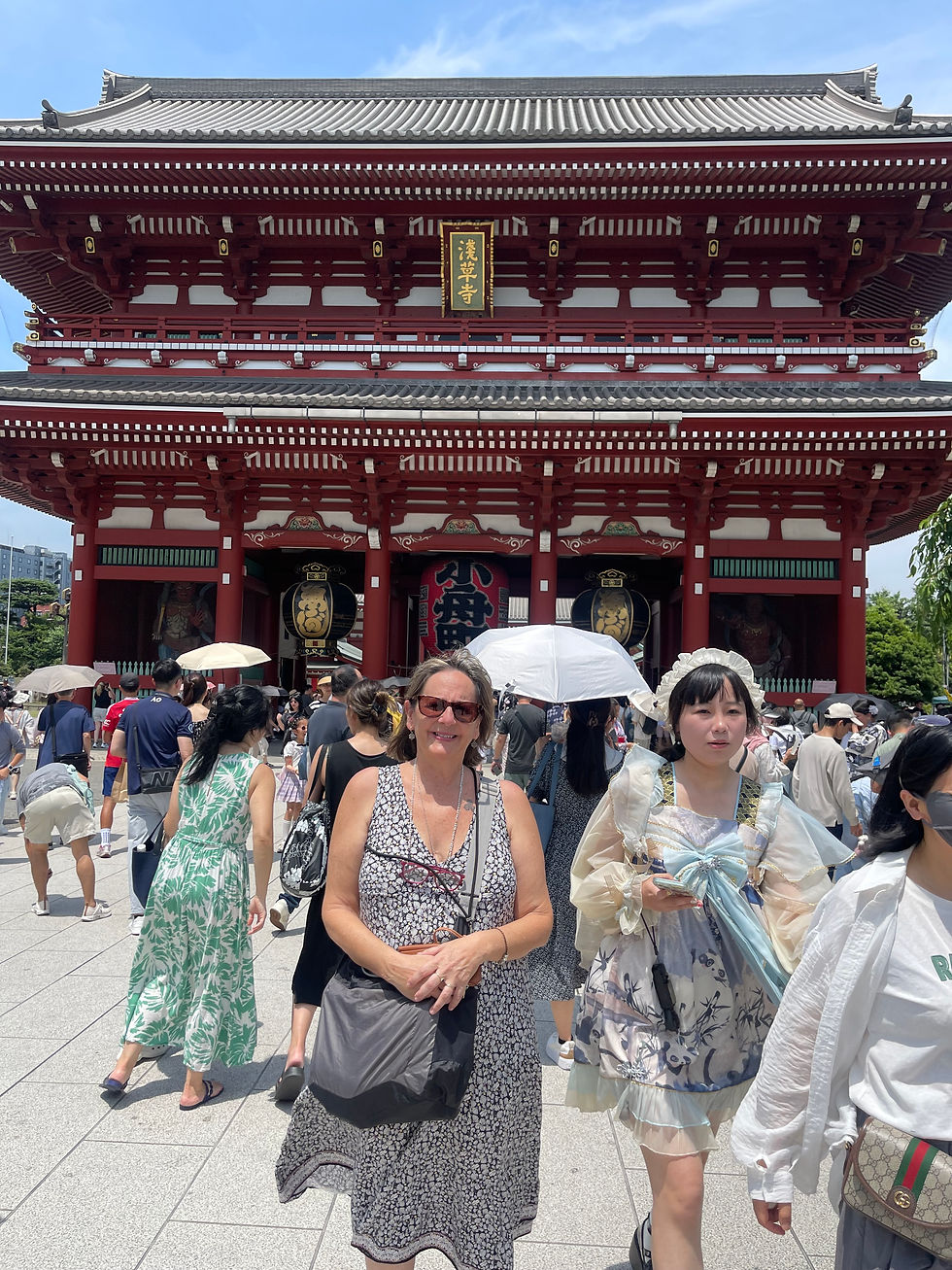
Asakusa & Senso‑ji Temple
Meiji Shrine
Ginza shopping
Tokyo Skytree
Traveller tip
Tokyo is huge. Choose one area and explore deeply rather than trying to see everything in a day.
---
🏯 Kobe (for Kyoto, Osaka & Nara)
One of Japan’s most important cruise ports
Kobe is a lovely city in its own right, but most travellers use it as a gateway to Kyoto, Osaka, and Nara.
What to expect
Very easy port to navigate
Excellent train connections
Friendly, relaxed city
Highlights
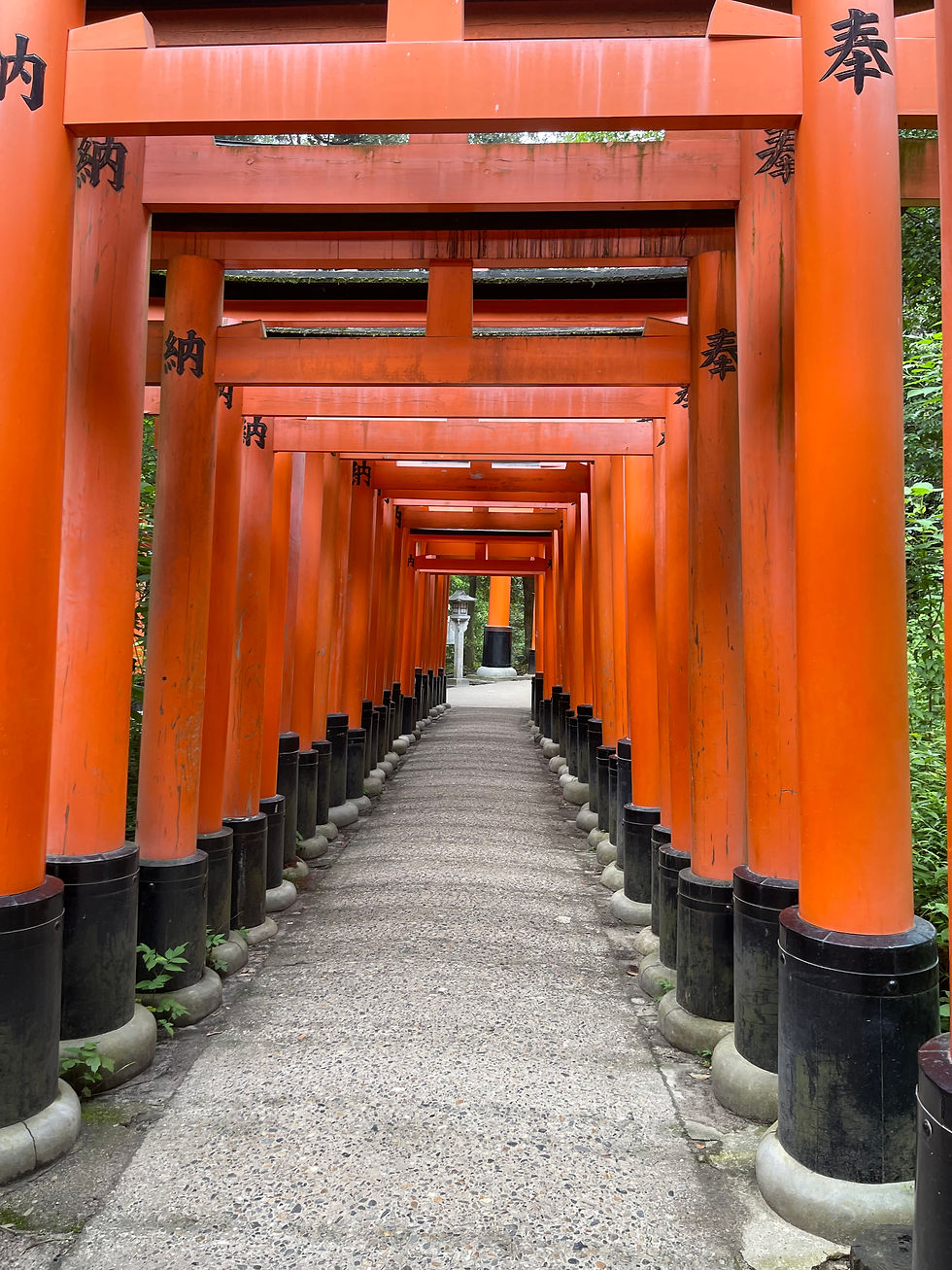
Kyoto’s temples (Fushimi Inari, Kiyomizu‑dera)
Nara’s deer park and Todaiji Temple
Osaka Castle and Dotonbori
Traveller tip
Kyoto is 60–90 minutes away. If your time is short, stay in Kobe or Osaka.
---
🗻 Shimizu (for Mt Fuji)
One of the most beautiful ports in Japan
On a clear day, Mt Fuji rises dramatically above the harbour — a breathtaking sight.
What to expect
Small, easy port
Shuttle buses often provided
Great for independent travellers
Highlights
Mt Fuji 5th Station
Miho no Matsubara pine grove
Nihondaira Plateau
Shizuoka tea plantations
Traveller tip
Fuji is shy. If the mountain is visible when you dock, take your photos immediately.
---
🕊️ Hiroshima
A city of remembrance, resilience, and beauty
Hiroshima is one of the most moving stops on any Japan cruise.

What to expect
Efficient port
Easy tram system
Friendly, welcoming locals
Highlights
Peace Park & Museum
Atomic Bomb Dome
Miyajima Island (Itsukushima Shrine)
Traveller tip
If you only do one thing: visit Miyajima. It’s unforgettable.
--
-
🌋 Kagoshima
Volcano views and samurai history
Kagoshima sits in the shadow of Sakurajima, one of Japan’s most active volcanoes.
What to expect
Scenic harbour
Good transport
Relaxed southern atmosphere
Highlights
Sakurajima ferry
Sengan‑en Garden
Samurai houses in Chiran
Traveller tip
Carry a light scarf or hat — volcanic ash sometimes drifts across the city.
---
🧭 Nagasaki
History, culture, and one of Japan’s most beautiful harbours
Nagasaki has a fascinating blend of Japanese and European influences.
What to expect
Ships dock right in town
Easy walking access
Compact and scenic
Highlights
Peace Park & Museum
Dejima
Glover Garden
Mt Inasa viewpoint
Traveller tip
The ropeway to Mt Inasa offers one of the best night views in Japan.
--

-
🐉 Okinawa (Naha)
Tropical Japan — beaches, history, and island culture
Okinawa feels completely different from mainland Japan.
What to expect
Warm, tropical climate
American and Japanese cultural mix
Great for beach lovers
Highlights
Shuri Castle
Kokusai Street
Churaumi Aquarium
Cape Manzamo
Traveller tip
Public transport is limited — taxis or tours are easiest.
---
🐟 Aomori
Gateway to northern Japan’s culture and landscapes
Aomori is known for apples, festivals, and rugged scenery.
What to expect
Very friendly locals
Easy walk into town
Great museums
Highlights
Nebuta Museum
Hirosaki Castle (seasonal)
Lake Towada
Traveller tip
Try the apple ice cream — it’s a local specialty.
---
🦑 Hakodate (Hokkaido)
Seafood, night views, and a touch of old Japan
Hakodate is one of the most charming ports in Japan.
What to expect
Walkable city
Famous morning market
Excellent public transport
Highlights
Mt Hakodate ropeway
Red Brick Warehouse district
Goryokaku Fort
Traveller tip
The night view from Mt Hakodate is considered one of the best in the world.
---
❄️ Otaru (for Sapporo)
Canals, glassware, and access to Hokkaido’s capital
Otaru is a pretty port town with a European feel.
What to expect
Easy stroll from port
Lovely canal area
Train to Sapporo (30–40 mins)
Highlights
Otaru Canal
Music Box Museum
Sapporo Beer Museum
Traveller tip
Otaru’s bakeries and sweet shops are legendary — don’t miss them.
---
🏮 Kanazawa
One of Japan’s most elegant cultural cities
Kanazawa is often compared to Kyoto but with fewer crowds.
What to expect
Modern cruise terminal
Short shuttle into town
Rich cultural heritage
Highlights
Kenroku‑en Garden
Samurai district
Geisha district (Higashi Chaya)
Traveller tip
Kenroku‑en is spectacular in every season — allow time to wander.
---
🌊 Kochi
Laid‑back port with castles, markets, and river scenery
Kochi is a quieter stop, perfect for travellers who enjoy a slower pace.
What to expect
Friendly, relaxed city
Shuttle buses provided
Easy to explore
Highlights
Kochi Castle
Sunday Market (if timing fits)
Katsurahama Beach
Traveller tip
Try katsuo tataki — seared bonito, the local specialty.
---
🏯 Himeji
Home to Japan’s most famous castle
Some itineraries stop at Himeji, giving direct access to its iconic castle.
What to expect
Small port
Easy train ride
Compact city centre
Highlights
Himeji Castle
Koko‑en Garden
Traveller tip
Arrive early — the castle gets busy.
---

🧘 Beppu
Hot springs, steam vents, and volcanic landscapes
Beppu is Japan’s onsen capital.
What to expect
Unique geothermal scenery
Lots of tours
Relaxed atmosphere
Highlights
The “Hells” of Beppu
Sand baths
Onsen experiences
Traveller tip
If you’re shy about bathing, the sand baths are a great alternative.
Heres a quick summary of the ports
PORT REGION KNOWN FOR DISTANCE TO SITES BEST FOR
---------------------------------------------------------------------------------------------------------------
Yokohama Kanto Gateway to Tokyo 45–60 mins -Tokyo Big-city
Kobe Kansai Access to Kyoto/Osaka/Nara 60–90 mins -Kyoto Culture
Shimizu Shizuoka Mt Fuji views 45–90 mins Nature & scenery
Hiroshima Chugoku Peace Park, Miyajima 30–60 mins History reflection
Kagoshima Kyushu Sakurajima volcano 15–30 mins Gardens
Nagasaki Kyushu History, European influence Walkable Culture & views
Okinawa (Naha) Okinawa Tropical Japan 20–60 mins Beaches & history
Aomori Tohoku Festivals
Japan is one of those rare destinations that lingers with you long after the ship has moved on to its next port. Whether it’s the quiet beauty of a Shinto shrine, the energy of a neon‑lit street, the taste of something you can’t quite name but absolutely loved, or the simple kindness of a stranger helping you find your way — Japan has a way of settling into your memory.
A cruise is one of the most effortless and rewarding ways to experience this remarkable country. Each port reveals a different face of Japan: ancient temples, volcanic landscapes, peaceful gardens, bustling markets, and cities that feel like they belong in the future. And with Japan’s extraordinary transport system, even independent travellers can explore with confidence.
After forty years of travelling through Japan — by train, by car, on foot, with children, alone, and now as a cruise presenter — I can say that no matter how many times you visit, Japan always has something new to show you. It is a country that rewards curiosity, welcomes respect, and offers moments of beauty in the most unexpected places.
If Japan is on your list, move it to the top. And if you’re already booked on a cruise, you’re in for an unforgettable journey. I hope the stories, tips, and port guides here help you step ashore feeling prepared, confident, and excited for whatever discoveries await you.
Travel well, travel gently, and let Japan surprise you — it always does.


Comments